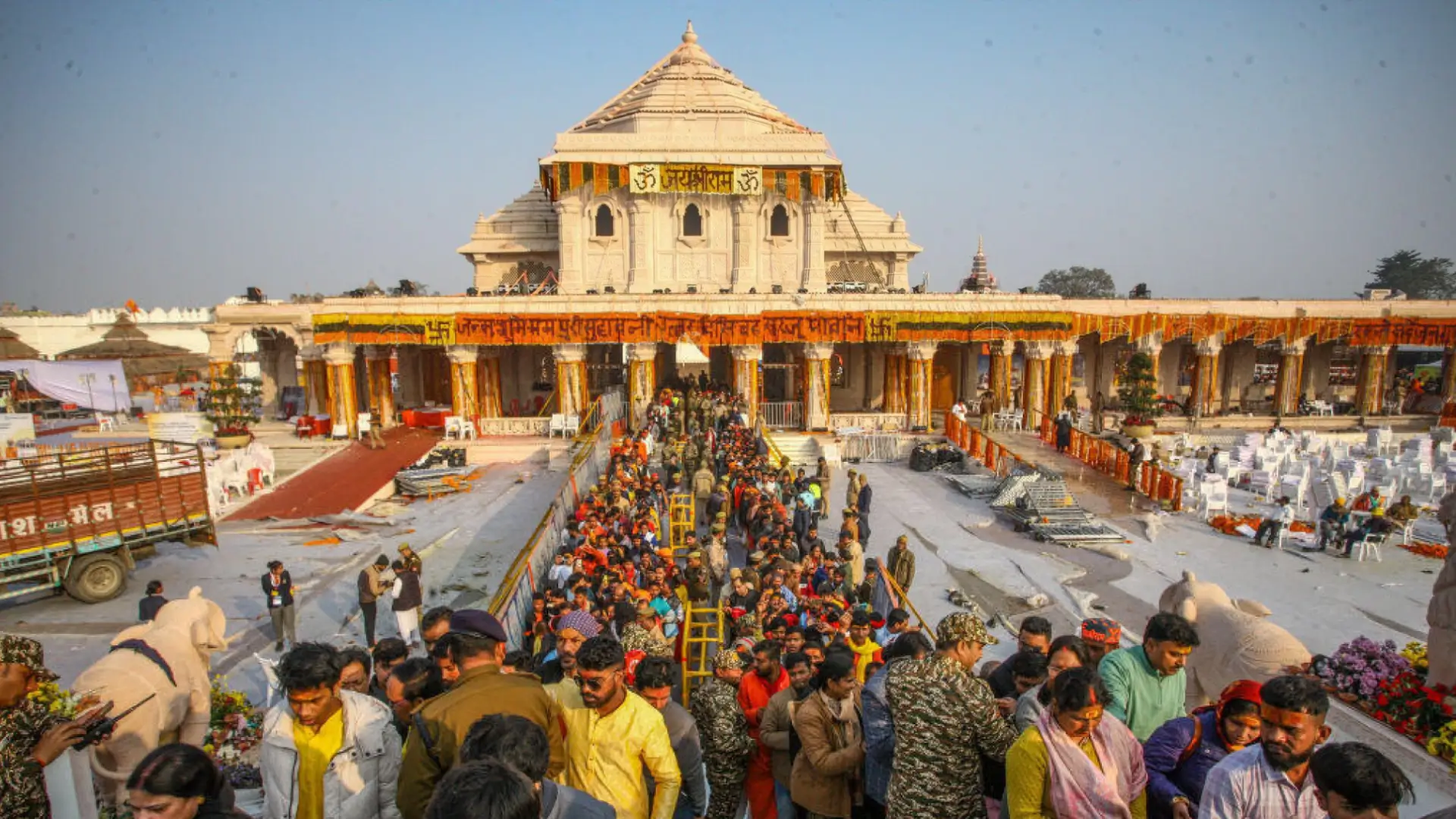
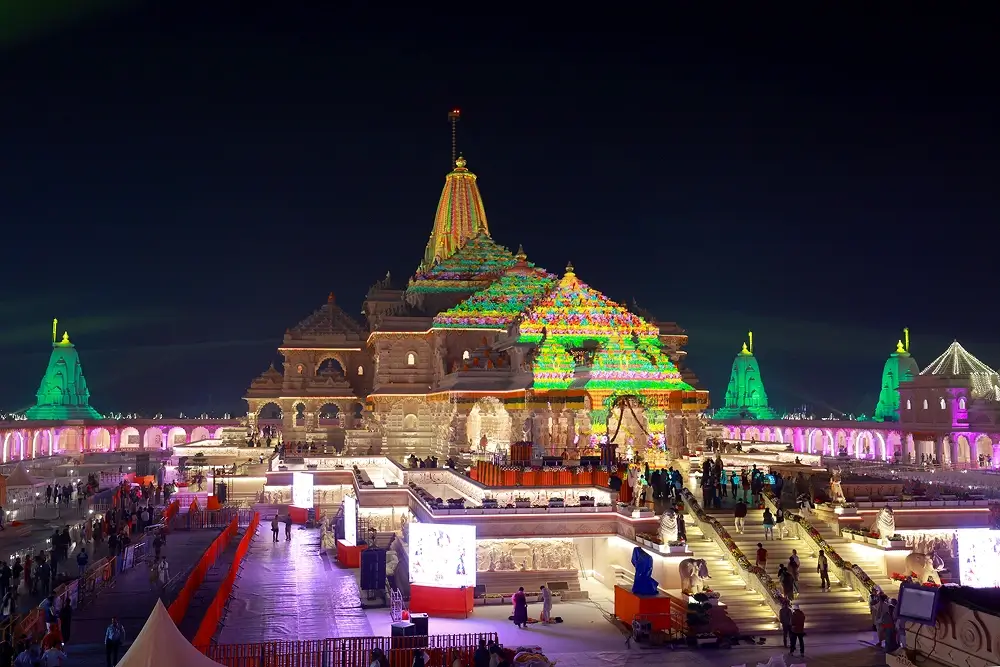
Ayodhya, the birthplace of Lord Rama, has transformed into one of the most significant pilgrimage destinations in India. After decades of anticipation, the Shri Ram Janmabhoomi Mandir stands resplendent, attracting millions of devotees from across the globe each year. With the temple fully operational and enhancements continuing into 2026, planning your visit requires up-to-date knowledge of timing schedules, darshan logistics, VIP passes, and smart accommodation options. This guide delivers precisely that and is engineered for first-time visitors and seasoned pilgrims alike.
Reality Check for 2026 Visitors :Ayodhya is no longer a “drop-in” pilgrimage stop. With daily footfall regularly crossing six figures on peak days, darshan today is a logistics-led experience as much as a spiritual one. Visitors who plan time slots, stay location, and arrival strategy thoughtfully report a calmer, more fulfilling visit, while those who don't often spend hours navigating queues, heat, and last-mile confusion.
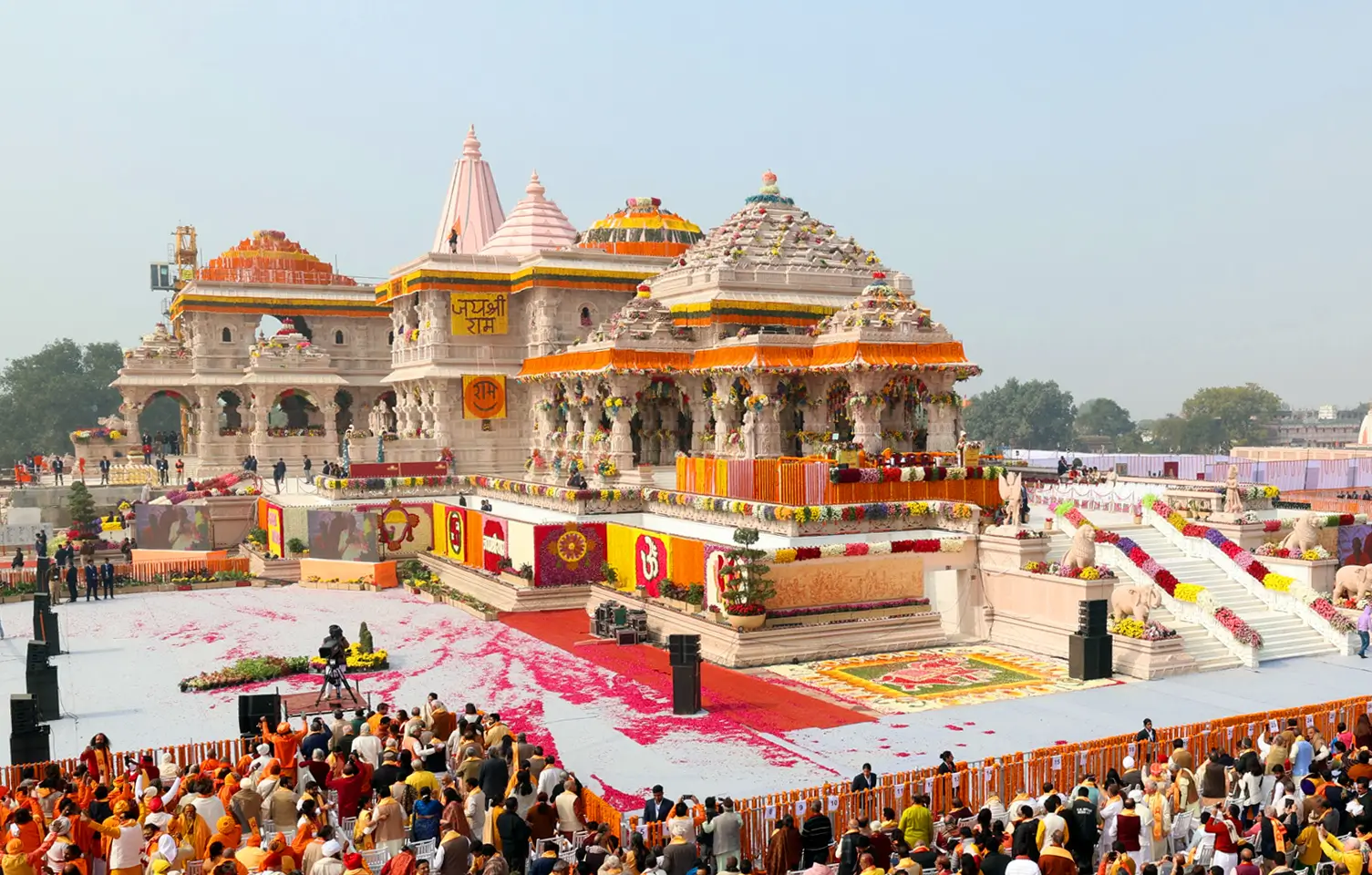
The Ram Mandir complex, managed by the Shri Ram Janmabhoomi Teerth Kshetra Trust, is open daily for darshan sessions throughout the year. It has been designed to handle large crowds while maintaining a serene devotional atmosphere. Access to the sanctum and sacred spaces now follows structured time slots to facilitate crowd movement and ensure a smooth experience for every devotee.
Standard Darshan Timings :Festival days and weekends can multiply waiting times 3 - 4x despite valid slots.
Aarti Schedule at Ram Mandir :Aarti ceremonies remain the spiritual core of the Ram Mandir experience. Timings may shift slightly during festivals or special occasions, but the generally observed schedule includes :
Note : Visitors are advised to confirm timings closer to their visit date.
Aarti Attendance Insight : While aarti timings are fixed, entry access for aarti is far more limited than darshan itself. First-time visitors often overestimate availability. If attending aarti is your priority, structure the entire day around it rather than treating it as an add-on.
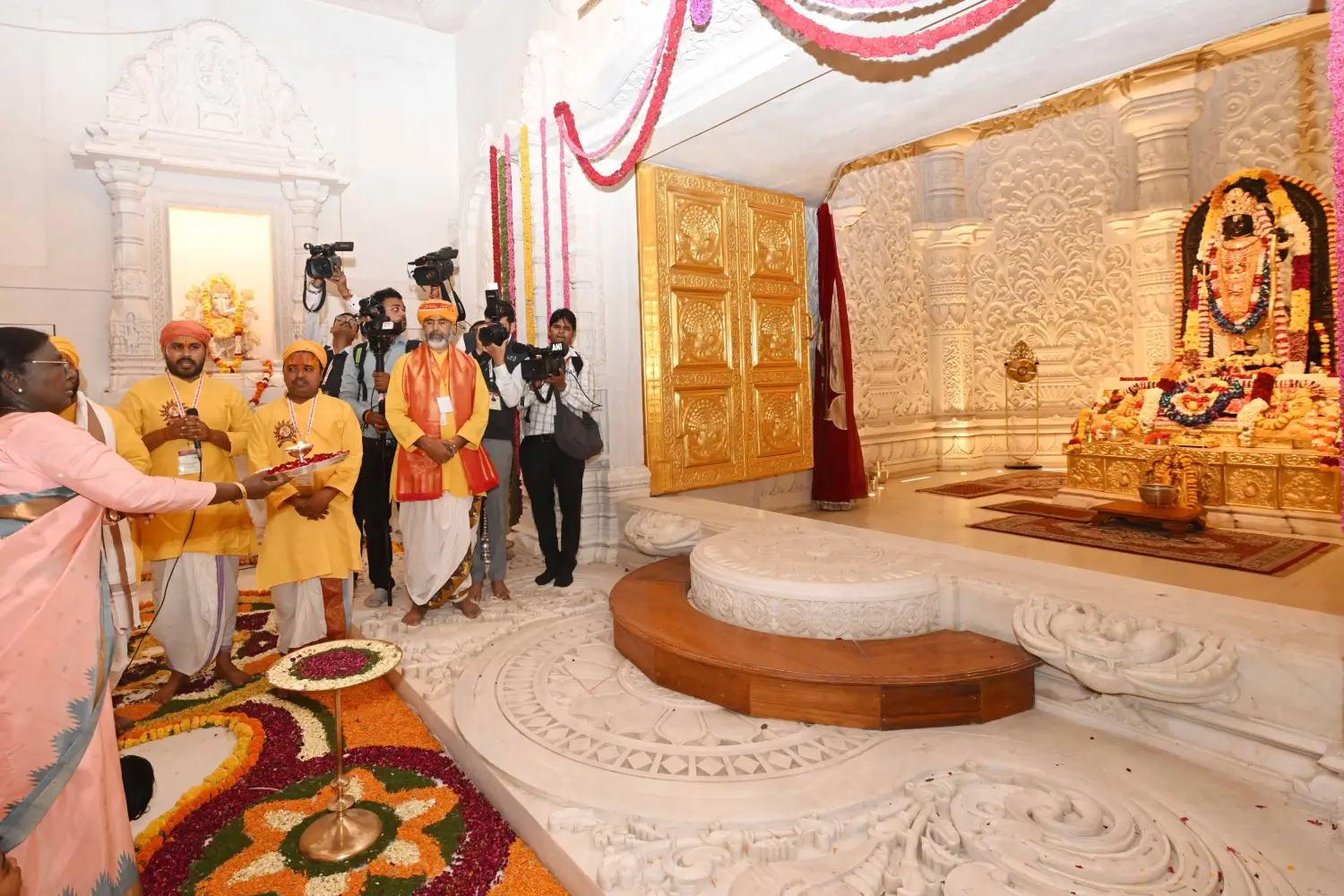
Understanding darshan passes and entry procedures is essential while planning an Ayodhya visit in 2026.
Free Darshan & Aarti PassesGeneral darshan passes are completely free and issued through the official temple system. Devotees must register with a valid government-issued ID and select a date and time slot. Children under ten years of age typically do not require a separate pass.
Aarti passes for ceremonies such as Shringar and Sandhya Aarti require advance booking and are highly sought after, especially on weekends and religious occasions.
Sugam DarshanSugam Darshan is a free priority access facility introduced to reduce waiting time. It is particularly helpful for senior citizens, families with children, and visitors with limited time. These passes usually open a few days in advance and get fully booked quickly.
Who Benefits Most from Sugam Darshan :Who Should Skip It : Visitors arriving very early in the morning or those comfortable with standard queues on weekdays often experience similar wait times without Sugam Darshan.
VIP Pass Reality in 2026The Ram Mandir does not officially sell or issue paid VIP darshan passes. Any so - called VIP darshan offered by private tour operators usually refers to travel convenience packages, not temple - approved preferential access. Devotees are strongly advised to rely only on official booking channels.
Important Advisory : Any operator promising “VIP entry inside the sanctum” or “zero waiting darshan” is misrepresenting facts. At Tour My India, we do not sell temple access; we assist with timing information, stay planning, and movement logistics.
Festival & Crowd-Control PoliciesDuring peak festivals such as Ram Navami, entry regulations may change. Sugam Darshan and priority access can be temporarily restricted to ensure orderly movement and equal opportunity for all devotees.
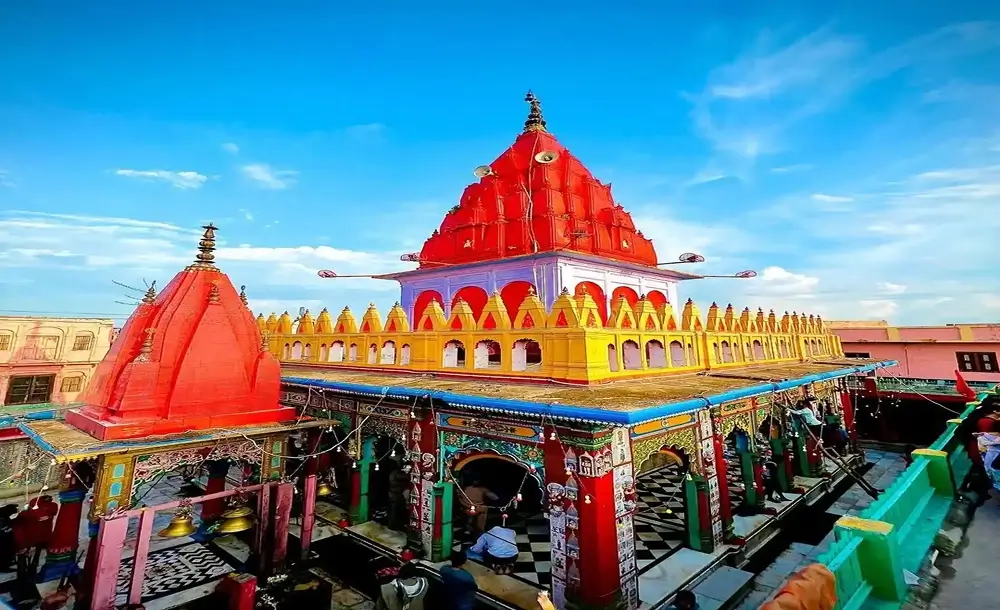
Security arrangements at the Ram Mandir are strict yet efficiently managed. All visitors undergo mandatory verification and security checks. Lockers are available near the entrance for prohibited items, including mobile phones, cameras, and large bags.
Dress CodeDevotees are expected to dress modestly and respectfully. Traditional attire is preferred. Shorts, sleeveless clothing, and revealing outfits are discouraged.
First - Timer Mistake to AvoidReaching Ayodhya exactly at your darshan slot time. Security checks, locker queues, and holding areas mean you should aim to arrive 45 - 60 minutes before the allotted slot, especially between October and March.
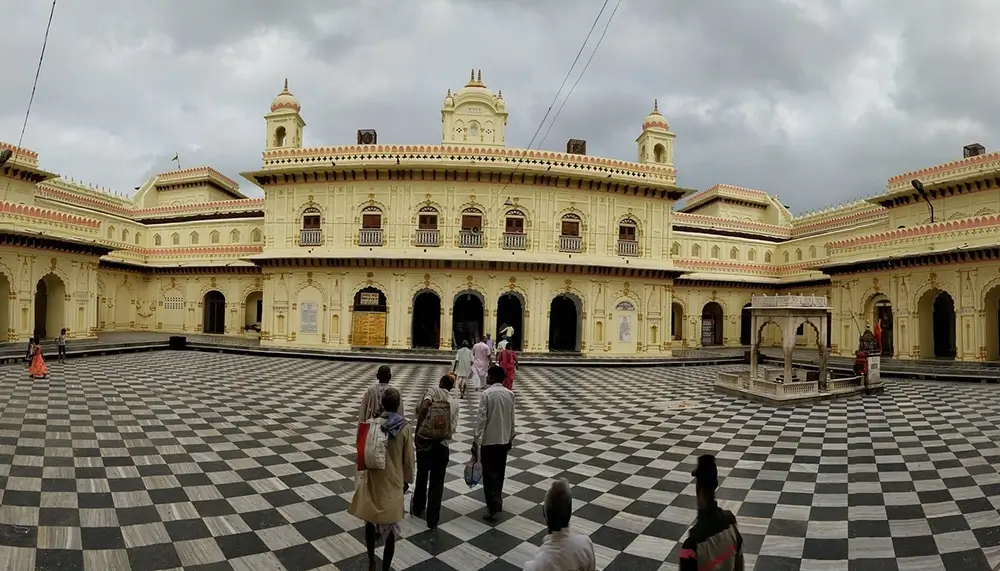
Ayodhya has evolved into a well-developed pilgrimage city with accommodation options across all budgets.
Distance Matters More Than Hotel Category in AyodhyaA hotel 300 metres from the temple can save more energy than a luxury property 3 km away, especially for elderly pilgrims and families attending early-morning darshan.
Best Areas to Stay (By Distance Logic)
Within 500 m - Ideal for Seniors & Early Aarti VisitorsAvoid Booking Blindly : During peak pilgrimage periods, rooms advertised as “near Ram Mandir” may still require long detours due to crowd barricades. Always confirm walking distance, not just map distance.
Nearby & Comfortable StaysPopular areas include locations near Ram Ghat, the main Mandir road, and Faizabad city centre for easy access to temples, food options, and transport.
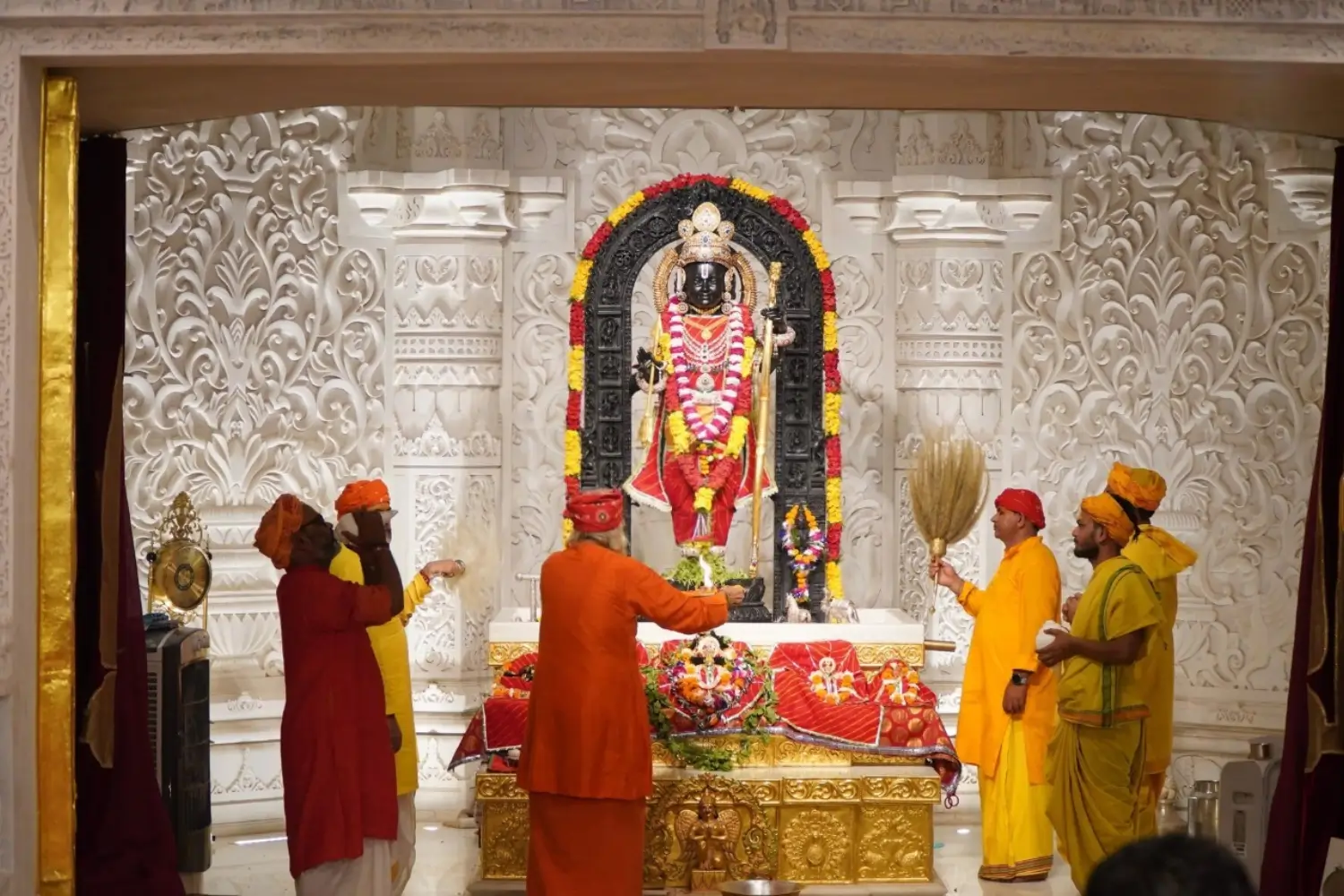
Many visitors combine Ayodhya with Prayagraj (Triveni Sangam) and Varanasi (Kashi Vishwanath). Structuring Ayodhya as the first stop helps manage physical fatigue and keeps darshan experiences calmer.
Need Help Planning a Smooth Ayodhya Visit ?While darshan access remains strictly regulated by the temple trust, experienced planning, the right stay selection, correct time slots, and realistic pacing make a measurable difference. Our pilgrimage specialists assist families and senior travellers with responsible, regulation-compliant planning for Ayodhya and connected sacred circuits.
Ayodhya Ram Mandir Visit 2026
Yes. Darshan and aarti passes are free but must be booked in advance due to high demand.
A valid government-issued photo ID such as Aadhaar, passport, or voter ID is required.
No. The temple does not issue paid VIP passes. Sugam Darshan offers limited priority access.


